

Top Benefits of Installing an HVLS Ceiling Fan in Factories and Warehouses in Bangladesh

Anyone who’s stepped onto a factory floor in Dhaka or Gazipur during the peak summer months knows the feeling the air feels heavy, workers are sweating through their shifts, and the ceiling fans spinning overhead barely seem to make a difference. For RMG, pharmaceutical, food processing, and other manufacturing facilities, this is far more than a comfort issue. Poor air circulation can reduce worker productivity, increase fatigue, affect product quality, and even raise concerns during buyer audits and compliance inspections.
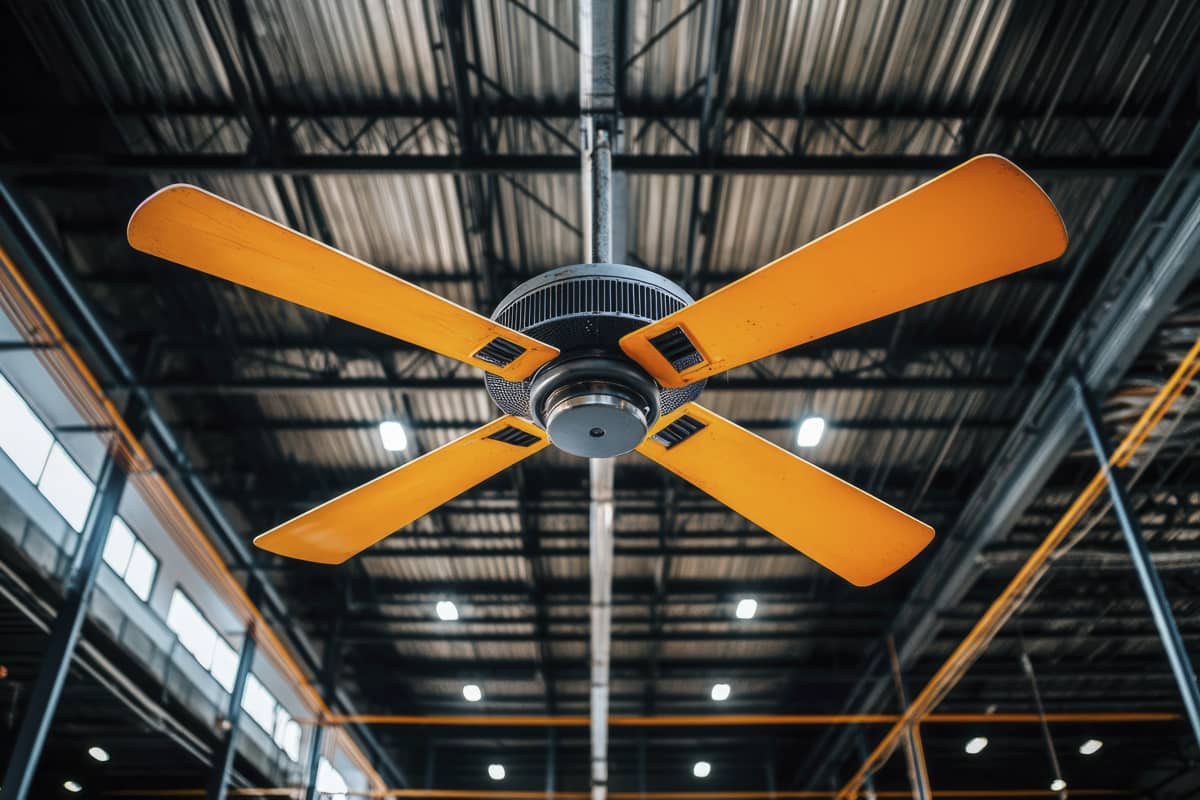
This is exactly where an HVLS (High Volume, Low Speed) ceiling fan changes the game. Unlike a traditional ceiling fan that circulates air within a limited area, an HVLS fan features large blades that rotate at low speeds to move an enormous volume of air across the entire factory floor. The result is consistent airflow, a cooler-feeling environment, and improved comfort from one end of the facility to the other.
As Bangladesh’s industrial sector continues to grow, more factory owners are investing in HVLS fans are cost-effective alternative to relying solely on air conditioning. They help create a more comfortable workplace, reduce energy consumption, and support better operational efficiency—all while meeting the expectations of modern factories focused on worker welfare and sustainability.
What Is an HVLS Ceiling Fan?
HVLS stands for High Volume, Low Speed. As the name suggests, these fans are built to move a large amount of air at a slow, steady speed usually somewhere between 6,000 to 12,000 mm in diameter, rotating at just 40 to 100 RPM. Despite spinning much slower than a regular fan, a single HVLS fan can cover anywhere from 8,000 to 20,000 square feet of floor space, depending on its size and ceiling height.
This is very different from the standard wall-mounted fans or exhaust fans most factories are used to. Those smaller fans push air quickly but only cool a small area close by, while an HVLS fan creates a gentle, wide-reaching breeze that keeps the entire factory floor feeling cooler and more comfortable, corner to corner.
Why Bangladeshi Factories and Warehouses Need Better Air Circulation
If you’ve ever walked into a tin-shed garment factory in Gazipur or Narayanganj during the months of April to September, you already know what we’re talking about. The heat sits in the air, the humidity makes it feel even worse, and with hundreds of workers and machines running at once, the temperature inside can climb well past what’s comfortable outside.
Most factories in Bangladesh are built with high tin or metal roofs, which trap heat instead of letting it escape. Add in poor airflow, and you end up with workrooms that feel like ovens by midday especially on the upper floors. This isn’t just uncomfortable. Bangladesh’s own labour law requires every factory to maintain proper ventilation and a reasonable temperature so workers aren’t put at risk. On top of that, many RMG and pharma factories are regularly audited by international buyers who check whether the workplace is safe and breathable, not just on paper, but in person.
Top Benefits of Installing HVLS Ceiling Fans in Factories & Warehouses
Now that you know what an HVLS fan does and why air circulation matters so much in Bangladeshi factories, let’s get into the part that actually matters to you: what difference will it really make on your factory floor? As energy costs rise and worker comfort becomes a greater priority, more industrial owners across Bangladesh are switching to HVLS fans as a practical, long-term solution for improving airflow and efficiency. Here are the benefits owners and managers notice first.
Improved Worker Comfort and Reduced Heat Stress
Anyone managing a factory floor knows what happens when the heat builds up, workers slow down, take more water breaks, and by the afternoon, everyone’s just trying to get through the shift. Standing under a gentle, wide breeze instead of stagnant, humid air makes a real difference in how people feel during a long workday.
An HVLS fan keeps a steady flow of air moving across the entire floor, which helps sweat evaporate naturally and keeps the space from feeling suffocating. This matters most in sewing sections, packing areas, and anywhere workers are on their feet for hours. When your team feels physically comfortable, they’re less likely to feel exhausted, irritated, or unwell by midday and that shows in how steadily the work gets done.
Lower Energy Costs Compared to Multiple Standard Fans/AC Units
Here’s something most factory owners don’t realize until they actually compare the numbers: running 15-20 standard ceiling or wall fans to cover one large floor often uses more electricity than running a single HVLS fan that covers the same area. A typical HVLS fan uses somewhere between 1 to 1.5 kW of power, even at full speed, while a cluster of regular fans covering the same square footage can quietly add up to 3-4 kW or more.
If you’re currently relying on industrial air conditioning to cool a large open floor, the savings are even bigger, since AC units consume far more power just to bring the temperature down by a few degrees. One HVLS fan replacing a dozen smaller fans (or supplementing AC use) usually means a noticeably lower electricity bill every month, without any drop in comfort.
Better Air Quality and Reduced Moisture/Mold in Storage Areas
If you store fabric, yarn, finished garments, or pharmaceutical packaging, you already know how badly humidity can damage stock. Stagnant, moist air sitting in a warehouse corner is exactly what mold, mildew, and musty smells need to take hold and once that happens, the damage to your inventory is usually done.
An HVLS fan keeps air constantly moving through the space, which stops moisture from settling in one place long enough to cause problems. This is especially useful in warehouses that don’t have strong cross-ventilation or windows. Keeping the air moving isn’t just about comfort here it’s about protecting the value of what’s sitting on your shelves.
Increased Productivity and Reduced Absenteeism
A factory floor that feels less exhausting to work in is a factory floor where people get more done. When workers aren’t constantly battling heat and stuffiness, they tend to stay focused longer, make fewer mistakes, and don’t need as many breaks just to cool off.
Over time, this also shows up in fewer sick days and less staff turnover, since extreme heat is one of the quiet reasons workers start looking for jobs elsewhere. A small investment in comfort often pays for itself through steadier output and a workforce that sticks around.
Pest and Insect Control
This one surprises a lot of factory owners, but it’s true: flies, mosquitoes, and other insects struggle to fly steadily in moving air. The constant breeze from an HVLS fan makes it much harder for them to settle anywhere on the floor.
This is particularly useful in food processing units, pharmaceutical warehouses, and packing areas, where keeping insects away isn’t just about comfort, it’s about product safety. It’s a simple side benefit that comes free with better airflow.
Low Maintenance and Long Operational Lifespan
Unlike standard fans that wear out, wobble, or need frequent part replacements, HVLS fans are built with industrial-grade motors and components designed to run for years with very little attention. Most well-made units only need a basic check-up once or twice a year.
This means you’re not constantly spending money or production downtime on fan repairs and replacements like you would with dozens of smaller units scattered across the floor. For factory owners thinking long-term, this lower upkeep cost adds up to real savings over the life of the equipment.
Supports Compliance with International Buyer Audits
For RMG factories working with global brands, audits from bodies like BSCI, WRAP, or the Accord/Alliance framework are a regular part of doing business and workplace ventilation is always something inspectors look at closely. A factory that’s visibly hot, stuffy, or poorly ventilated raises immediate red flags during these visits.
Having a proper air circulation system in place, like HVLS fans, shows auditors and buyers that worker welfare is being taken seriously, not just talked about. For many factory owners, this isn’t just about comfort anymore, it’s about protecting buyer relationships and keeping export orders coming in without compliance issues holding things up.
HVLS Fans vs. Traditional Cooling Solutions
If you’re still weighing your options, that’s a fair place to be. Most factory owners compare a few different industrial cooling methods before deciding what makes sense for their space and budget. Here’s a simple side-by-side look at how HVLS fans stack up against the cooling solutions most Bangladeshi factories already use.
| Feature | HVLS Fan | Standard Ceiling Fan | Exhaust Fan | Industrial AC |
| Coverage area | 8,000–20,000 sq ft per unit | 100–150 sq ft per unit | Pulls air out of a small zone | Depends on tonnage, usually limited zones |
| Energy use | 1–1.5 kW per unit | 60–80 watts per unit (but you need many) | 100–250 watts per unit | High often 5kW+ for large areas |
| Noise level | Very low, quiet hum | Moderate | Can be noisy | Moderate to high |
| Maintenance | Low, annual check-up | Frequent, parts wear out | Frequent, motor and blade wear | High, needs regular servicing |
| Best for | Large open factory floors, warehouses | Small offices, individual workstations | Removing fumes, smoke, dust | Smaller, enclosed, climate-sensitive areas |
The right choice really depends on the size of your space. For large open floors common in Bangladeshi factories and warehouses, one HVLS fan often does the job that would otherwise need dozens of smaller fans or a heavy-duty AC system at a fraction of the running cost.
Things to Consider Before Installing HVLS Fans in Your Factory
Before you go ahead and order an HVLS fan, it helps to think through a few practical details first. Getting these right from the start saves you from costly mistakes later.
Ceiling height and structural support. HVLS fans are large and need to hang securely, so your ceiling height and structural framework matter. Most factories with 12 feet or more of clearance work well, but it’s worth having someone check if your roof or beam structure can safely support the fan’s weight before installation.
Power supply and load shedding. Bangladesh’s electricity supply isn’t always steady, especially outside major industrial zones. It’s worth checking whether your existing IPS or generator backup can handle the fan’s power draw, so it keeps running smoothly even during a power cut, instead of leaving your floor without airflow at the worst possible time.
Your factory type and climate needs. An RMG factory, a pharma facility, and a cold storage warehouse don’t have the same airflow needs. The right fan size, speed, and placement should match what you’re actually storing or producing.
Import quality and after-sales support. Not every HVLS fan sold in the local market is built the same way. It’s worth confirming the fan comes with proper documentation, a real warranty, and a supplier who can actually show up if something needs servicing later rather than disappearing after the sale.
How to Choose the Right HVLS Fan Supplier in Bangladesh
This is the part that makes the biggest difference in the long run even if a great fan won’t perform well if it’s bought from the wrong supplier. Here’s what’s worth checking before you commit to anyone.
Look for genuine certifications. A reliable HVLS fan should come with proper certifications like CE or UL, which confirm the motor and build quality meet recognized safety standards. If a supplier can’t show you this, it’s a clear warning sign.
Ask about warranty terms clearly, in writing. A trustworthy supplier will give you a clear warranty period and explain exactly what it covers, not vague promises that fall apart the moment something goes wrong.
Check if they offer local installation and servicing. A fan that’s hard to get serviced is a fan that’ll sit broken on your floor for weeks. Choose a supplier with a real local team that can install it properly and respond quickly if it needs repair.
Confirm it’s a genuine import, not a grey-market unit. Cheaper, unofficial imports often skip quality checks and come with zero after-sales support. Always ask for proper import documentation before paying.
Compare energy ratings. Two fans that look similar can have very different power consumption. Ask for the actual wattage and RPM specs so you know what you’re really paying to run every month.
Is an HVLS Fan Worth It for Your Factory?
When you add it all up lower electricity bills, fewer fan repairs, a more comfortable workforce, and smoother buyer audits an HVLS fan isn’t really an extra expense. It’s an investment that quietly pays you back month after month, while making your factory a better place to work in.
If you’re still unsure what size or setup would suit your space, the easiest next step is getting your factory floor assessed before buying anything. We’ve helped factory owners across Bangladesh figure out the right fit for their floor, handled the import process properly, and stayed around for support after installation, not just the sale.
Feel free to reach out for a free site assessment or a quote tailored to your factory’s actual needs.
Frequently Asked Questions
What size HVLS fan do I need for my factory floor area?
It depends on your ceiling height and floor space. As a general guide, a 12-14 foot diameter fan can cover around 8,000-10,000 sq ft, while larger 20-24 foot fans can cover up to 20,000 sq ft. It’s best to get your space measured before choosing a size.
How much electricity does an HVLS fan consume per month?
Most HVLS fans run on 1-1.5 kW of power. Running one fan for a typical 10-12 hour factory shift usually costs far less per month than running the same area with multiple standard fans or an AC unit.
Can HVLS fans be installed in tin-shed factories common in Bangladesh?
Yes, as long as the roof structure or supporting beams can safely hold the fan’s weight. Most tin-shed factories with adequate ceiling height and proper structural support can have HVLS fans installed without issues.
What is the price range of HVLS fans in Bangladesh?
Prices vary depending on fan size, brand, and motor quality, generally ranging from mid-range to higher-end industrial pricing. It’s best to get a quote based on your specific factory size and needs.
Do HVLS fans work with voltage fluctuations or load shedding?
Yes, but it’s important to check that your existing power backup, like an IPS or generator, can support the fan’s load so it keeps running smoothly even during a power cut.